
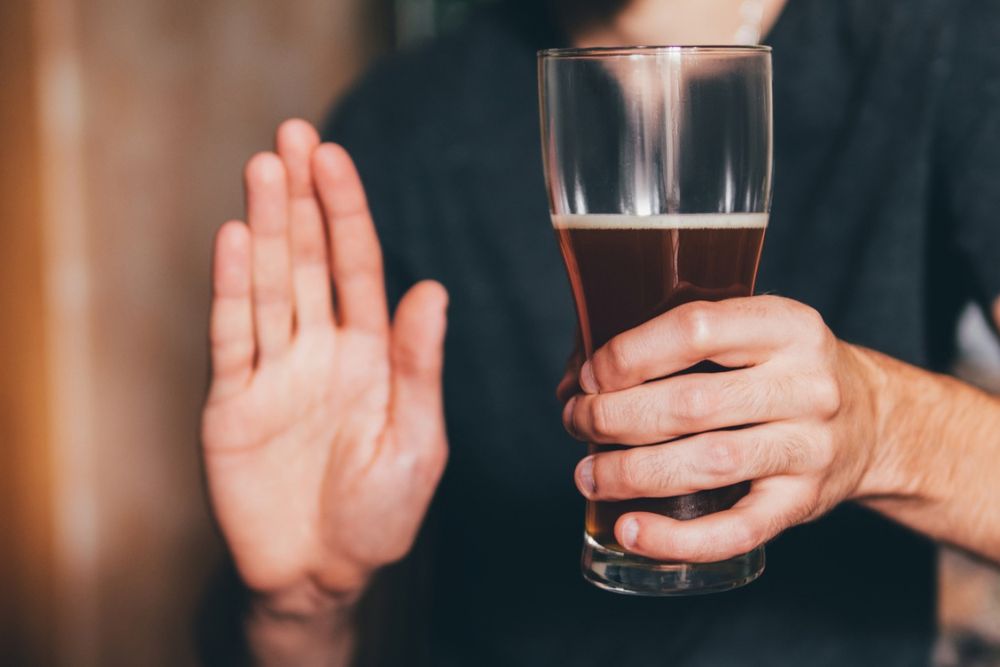
Alcohol Use Disorder’s Biggest Enemy
Alcoholism may have a powerful opponent, too. Not a magic fix, but something steadier: healthy friendships, honest support groups, and more.

How to Protect Yourself Against Tranq
Tranq, or xylazine, is a drug that is increasingly showing up in opioids, stimulants, and other drugs used on the streets.

The Weight Moms Carry in Recovery
Most women who enter treatment for substance use disorder fall within their childbearing years, and many are raising children of their own. And even though it’s valid that you’re struggling to forgive your mother, it’s also worth remembering that many moms carry enormous pressure long before substances enter the picture, and when life becomes overwhelming, it usually isn’t because the road’s been easy. If you’d like to better understand why recovery can feel especially complicated

What’s the Opposite of Addiction
Lauren McQuistin, accomplished author, SubStack writer, and owner of the Instagram account @brutalrecovery, recently pointed out that there’s no clean opposite to substance use disorder (SUD). For many, addiction is a constant roller coaster. One day you’re up, the next you’re gripping the safety bar for dear life, and sometimes you’re not sure if you want to get off or keep riding. In South Carolina, Waypoint Recovery Center staff and peers swap out that roller

What to Expect in Early Recovery
Today, we’re looking at some of the experiences she describes, how they may show up in your own recovery journey.
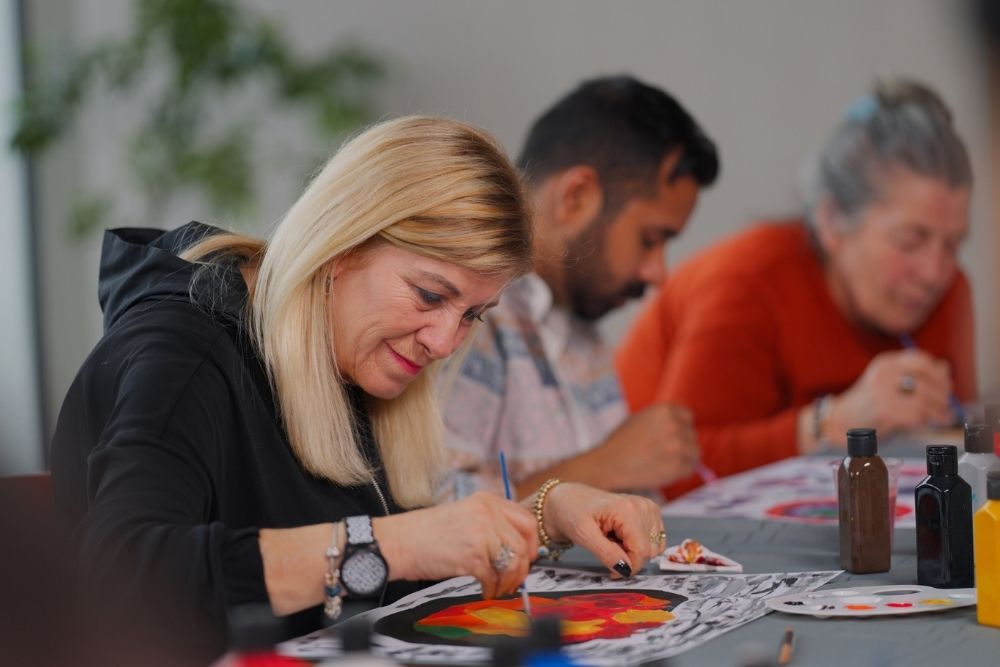
What’s The Point of Art in Therapy?
When you hear “art therapy,” you might picture finger paints, crafts, or awkward group projects that feel disconnected from recovery—and perhaps even from reality. If you already feel skeptical about therapy, adding drawing, music, writing, or movement into residential treatment may sound more ridiculous than a kindergarten class for adults. Art therapy usually isn’t about talent, artistic skill, or acting like a child. It’s simply one way to process stress, trauma, emotions, and experiences that
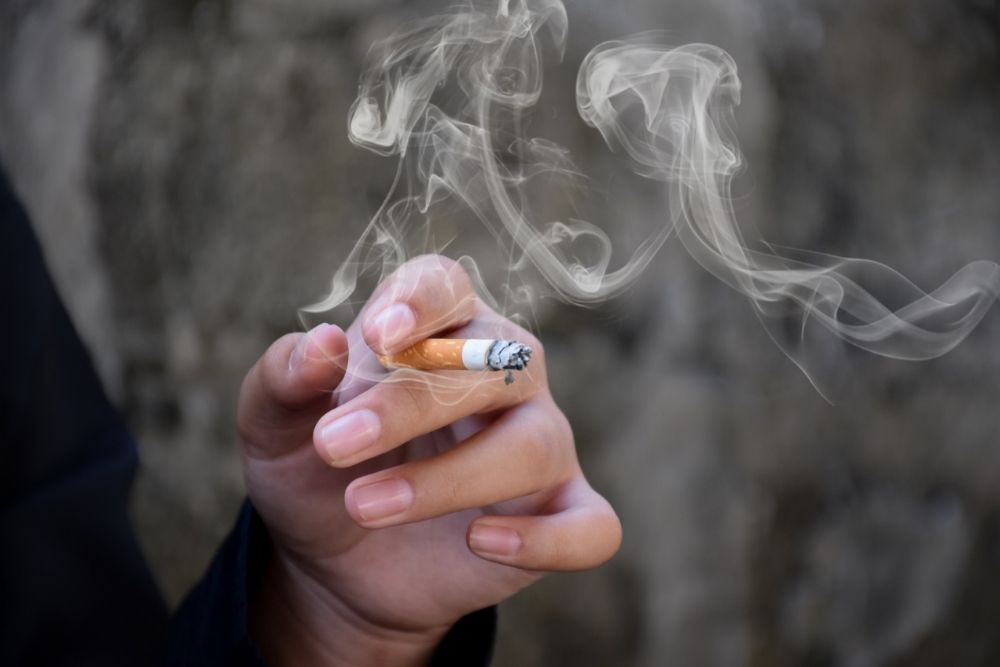
How Quitting Smoking Supports Recovery
You don’t have to quit smoking to begin treatment and no one expects you to be perfect from day one. Learn more here