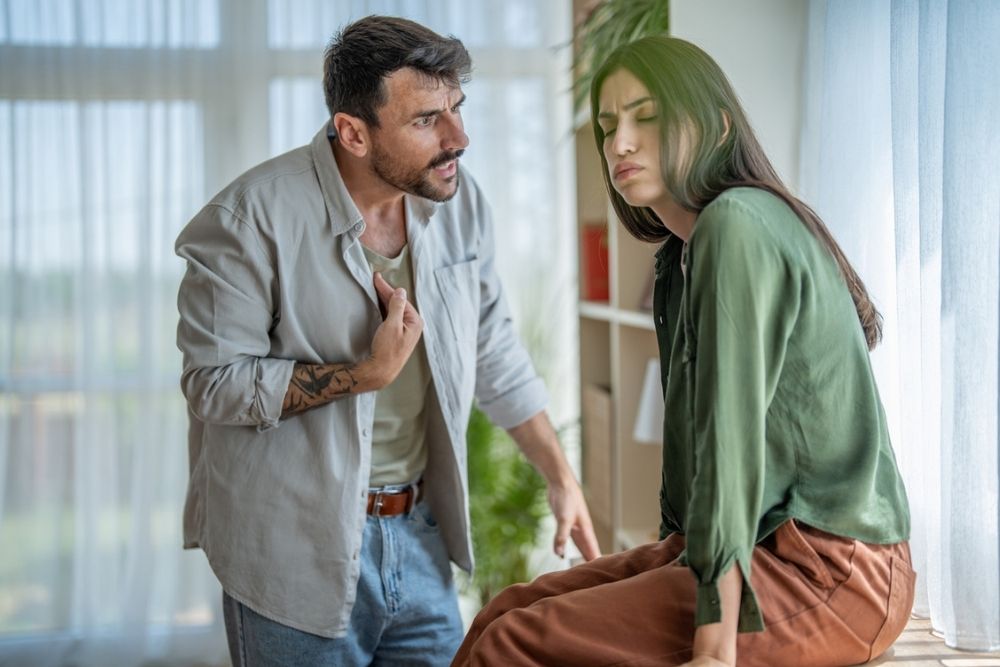
6 Signs You’re in a Toxic Relationship
Toxic relationships can bring down your mental and emotional recovery – here are six signs you may be in a toxic relationship.

Toxic relationships can bring down your mental and emotional recovery – here are six signs you may be in a toxic relationship.

To some extent, everyone deals with negative thoughts during treatment. The trick is to not allow these thoughts to overcrowd your beliefs.

Shifting your perspective to promote a growth mindset is one key way you can help build the foundation for sobriety.

Individuals struggling with addiction recovery face multiple challenges, including overcoming the stigma surrounding addiction.

The sooner you build a sober network, the better chance you have of leading a successful and engaging recovery.
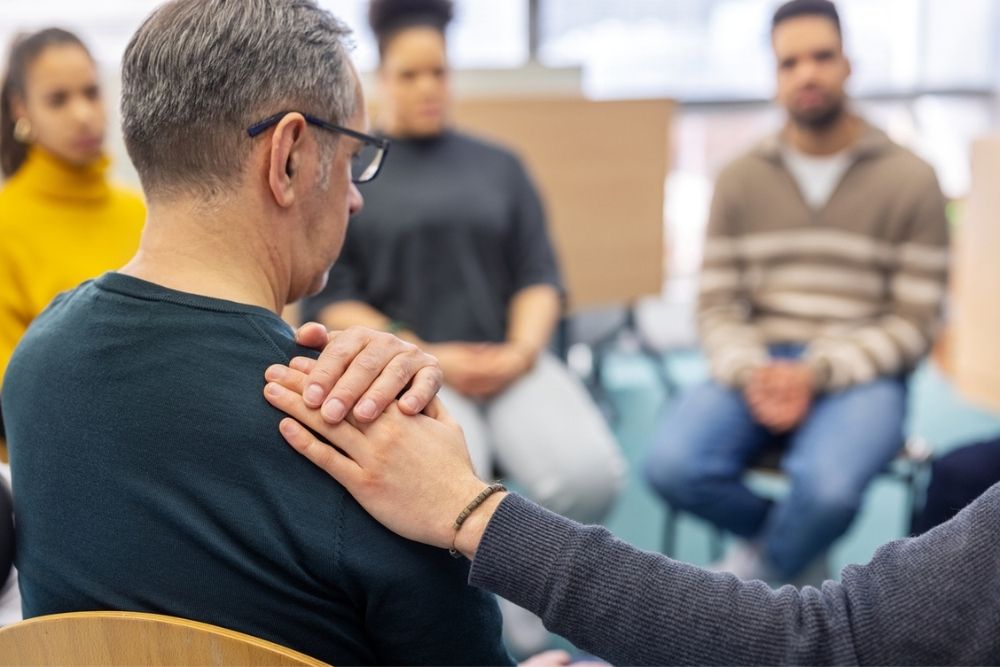
6 Alternatives to 12-Step Groups: If you’re looking for alternatives, consider SMART Recovery, Celebrate Recovery, Secular Organizations for Sobriety, LifeRing Secular Recovery, Refuge Recovery, or Women for Sobriety.

Practice these 8 self-care tips can help you be the strong support system your loved one needs to begin the process of recovery.
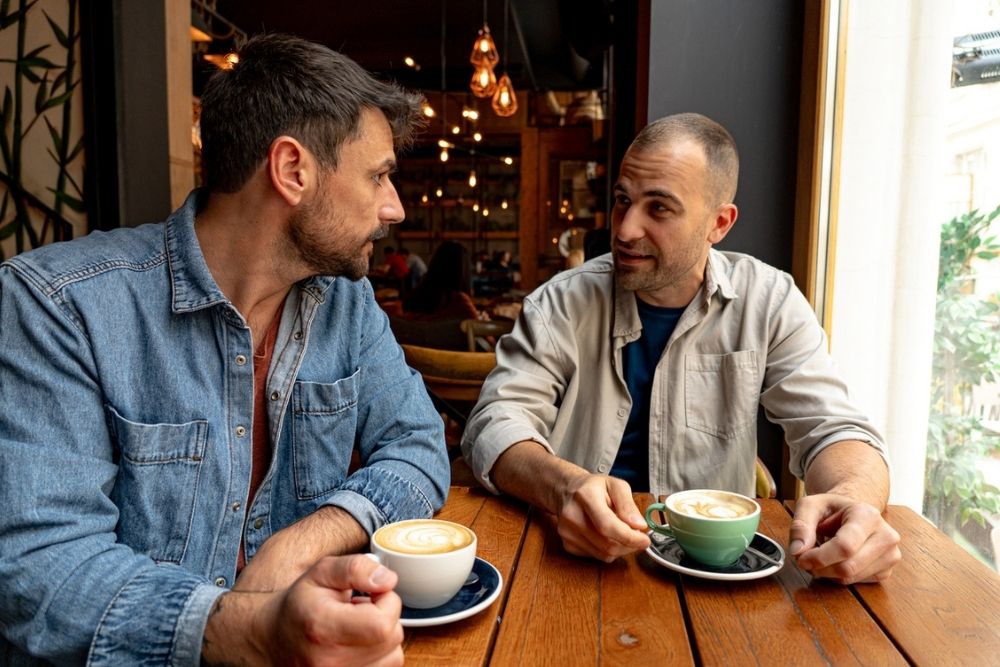
The 12-step model is built upon the principle that addicts are best equipped to help other addicts navigate the challenges of sobriety.
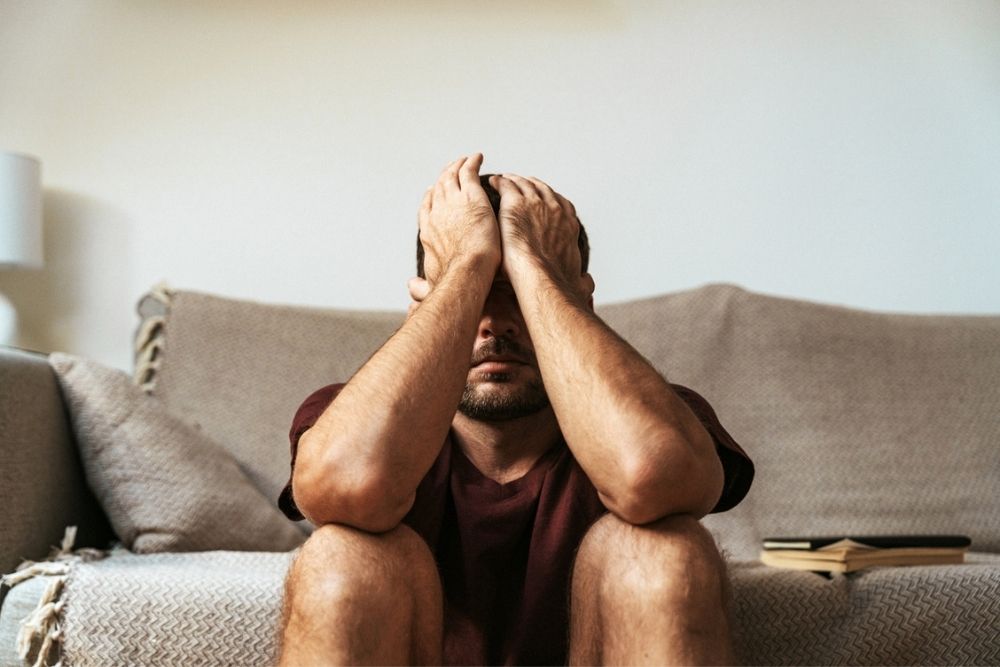
Overcoming victim mentality is crucial for addiction recovery. Learn how to break free from the victim mindset at Waypoint Recovery Center.

You have a community in addiction treatment. You know you are not alone in recovery. Well, the first thing to know about relapse is that you have a community here, too. Addiction follows the same patterns as other chronic illnesses, with the rate of relapse at 40 to 60 percent. That is midway between the rate of relapse for diabetes and hypertension! A more complete recovery is possible, but know that you are not alone