

Category: Sober Lifestyle

Person sitting on the edge of a bed, holding their lower back with one hand, appearing to experience back pain in a cozy bedroom with plants and green walls.

Chronic Pain Management in Recovery

At Waypoint Recovery Center, we know that pain goes beyond the physical. Neverending pain, from debilitating migraines to intense muscle aches, may feel like an endless, distracting burden that makes even the simplest tasks overwhelming. Whether it stems from past injuries, a health condition, aging, or stress, chronic pain can affect every part of your life. It may even drive you or a loved one to cope with substances like marijuana, alcohol, or opioids.  For
Read More »
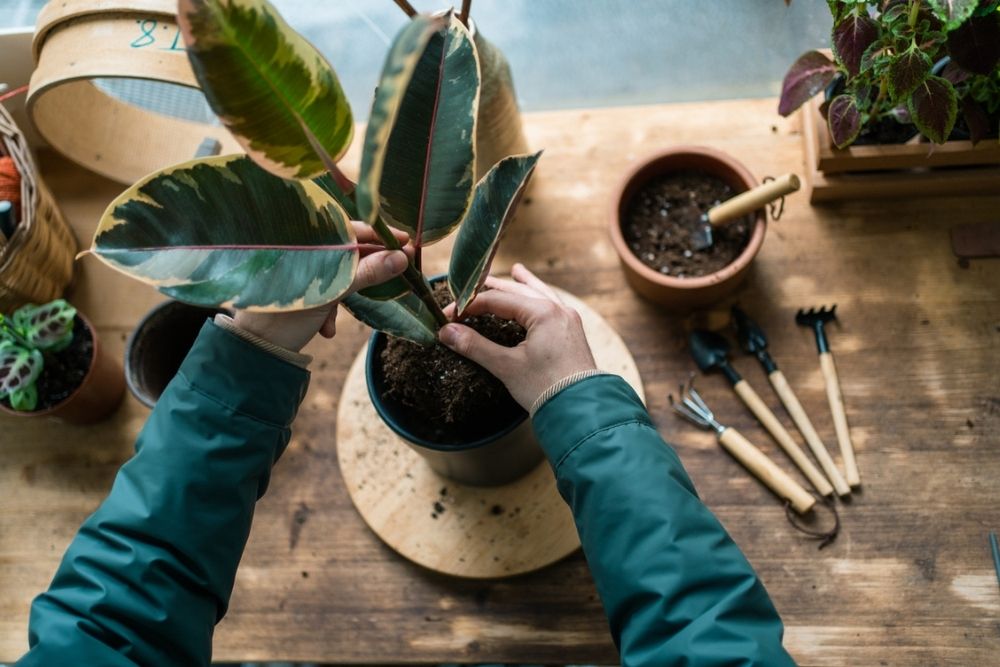
A person in a green jacket repots a leafy plant at a wooden table, surrounded by gardening tools, potted plants, and soil.

Constructive Indoor Hobbies To Enrich Recovery This Winter

At Waypoint Recovery Center, we’re interested in the science behind sustainable sobriety and effective relapse prevention. With the arrival of cooler temperatures and shorter days, you might wonder if being inside more could jeopardize your sobriety. We share our clients’ concerns and curiosity about the topic. If you’re in addiction recovery treatment and looking to keep busy this winter, keep reading.  While some studies suggest  that exercising in nature provides more benefits than exercising indoors,

Read More »
A man with short hair is sleeping peacefully on his side in a bed with white sheets and pillows, wearing a gray shirt and a green wristband.

Tips for Good Sleep Hygiene in Recovery

What Is Sleep Hygiene? Sleep hygiene is a term used to refer to a series of habits that promote a more restful sleep. Since insomnia and other sleep difficulties are common in the early stages of recovery, it’s important to be aware of the changes you can make to support your sleep health.   8 Tips for Good Sleep Hygiene in Recovery Create a Consistent Sleep Schedule It’s not necessarily a problem if you like

Read More »
A man and woman lie in bed, turned away from each other with arms crossed, both appearing upset or distant.

Addressing Sexual Dysfunction as Part of Your Addiction Recovery

Talking about sexual dysfunction can be embarrassing, but this is an issue that is quite common among both men and women seeking substance abuse treatment. If you’re experiencing difficulties, it’s important to keep in mind that the condition is likely only temporary and can be helped with the same strategies used to promote long-term sobriety.   Types of Sexual Dysfunction The term sexual dysfunction is used to refer to problems that a person may have during

Read More »
A woman smiles while cutting into a salad with crispy chicken at a restaurant, sitting at a wooden table with greenery visible in the background.

The Relationship Between Addiction and Nutrition

You are what you eat, as the saying goes.  Like many unhealthy habits and behaviors in the United States, poor diet and nutrition were highlighted during the COVID-19 pandemic. Healthcare professionals also saw poor mental health, addiction, and suicidal ideation spike during lockdown. Was there a connection between what people were eating and how susceptible they became to addiction? While no one area of research fully explains the intricate connections between diet and addiction, the

Read More »
Four people stand in a circle outdoors, smiling and looking down at their smartphones, holding them out in front of themselves against a clear blue sky.

Tips for Healthy Social Media Use in Recovery

Screen time limits aren’t just for children. Setting limits for yourself is a simple way to keep your social media use from spiraling out of control. This might mean checking your feed every day at lunch, setting a timer for 30 minutes so you don’t waste hours mindlessly scrolling through posts, or turning off the automatic notifications on your phone so you’re not constantly checking for new posts. The important thing is that you remain

Read More »
A family sits together at a festive dinner table, smiling and hugging, surrounded by candles, food, and autumn decorations in a cozy, sunlit room.

Gratitude Isn’t Just for Thanksgiving: How Being Grateful Helps You Stay Sober

Thanksgiving may be all about showing gratitude for the blessings you’ve been given, but that doesn’t mean you shouldn’t be grateful all year long. Cultivating an attitude of gratitude can play a vital role in the recovery process.   Being Grateful for Sobriety In Alcoholics Anonymous, serenity and gratitude are viewed as the two most important ingredients for success in the 12-Step program. Although everyone’s experience is different, some of the reasons to be grateful for

Read More »
Abstract illustration of glowing neural network or brain cells interconnected, with blue and purple tones and highlighted synapses against a dark background.

Neuroplasticity and Addiction Recovery: Unlocking Your Brain’s Potential

Neuroplasticity, sometimes called brain plasticity or neural plasticity, refers to the brain’s remarkable ability to reorganize itself by forming new neural connections. At one point, it was widely believed that the brain’s structure and functions were fixed after a person reached adulthood. Today, however, we now have extensive evidence to support the idea that the brain’s capacity to adapt, change, and rewire its structure and function remains active throughout a person’s life.  Even though it’s

Read More »

10 Ways the Power of Positive Thinking Can Benefit Your Recovery

Think of positive thoughts as the seeds you plant in the fertile soil of your intentions. With care and nurturing, these seeds sprout into a garden of self-discovery. As you tend to this garden—a garden that flourishes in the light of your determination to overcome your substance use disorder—you’ll witness the growth of confidence, resilience, and a renewed zest for life. While positive thinking can’t replace the need for comprehensive, evidence-based addiction treatment, don’t underestimate

Read More »
A person in a yellow jacket and beanie sits against a tree in a forest, writing in a notebook. Headphones rest around their neck, and sunlight filters through the leaves.

Grounding Techniques to Use in Recovery

Before you made the decision to seek addiction treatment, you may have used drugs and alcohol to help you cope when you were feeling stressed, upset, angry, or depressed. To move forward with your recovery, you’ll need to come up with alternative coping mechanisms that help you live a wellness-focused lifestyle.  Grounding techniques are simple, evidence-based activities that are used to help people manage overwhelming emotions and stressful situations by encouraging them to focus on

Read More »