
What’s StUD and How Can it Be Treated?
Stimulant use disorder (StUD) can be serious and, sometimes, all-consuming. Learn more about StUD and available treatment options.

Stimulant use disorder (StUD) can be serious and, sometimes, all-consuming. Learn more about StUD and available treatment options.

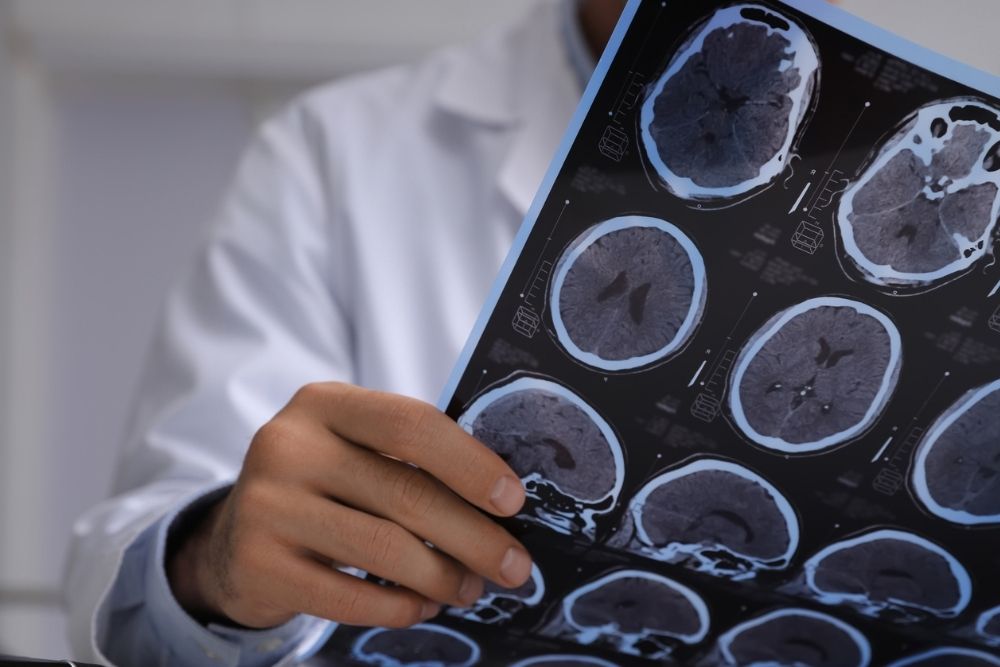
Substance use disorder (SUD) can show up in your habits, your reactions, and your roughest days, but your brain also carries a big part of your substance-use picture. If you’ve ever read our deep dive on the blacked-out brain and thought: yep, that sounds familiar, then you already know substances impact your brain’s ability to store memory. But neuroimages can show how substance use affects so much more of the brain than just memory. Neuroimages

The dangers of substance use disorder (SUD) can look different from person to person. For some families, it may mean their loved one’s health or relationships deteriorate. For other people, SUD may mean that holding down a job and or enjoying any kind of stability is impossible. The point is that substance use affects different parts of life for different folks. And while there’s no single world’s deadliest addiction yet, some substances show up in

Excessive alcohol consumption has been linked to a wide range of medical problems, including Wernicke-Korsakoff syndrome.

Addiction impacts all areas of life–not just for the individual struggling with a substance use disorder, but also people closely connected.

Addiction can affect even the most successful professionals. Learn how Waypoint Recovery Center helps high achievers find lasting sobriety.

You may be struggling with a strong sweet tooth that leads to eating sugary foods, which can harm your teeth or upset your stomach. You may be experiencing changes in your eating patterns that don’t fully nourish your body. If you’re receiving recovery services for opioid use disorder (OUD) and dealing with anything like this, you’re not alone. This blog will help you understand why sugar cravings often show up alongside OUD, what you can

Because marijuana isn’t federally regulated, its potency and purity can be difficult to determine with certainty.

If you drank heavily the night before or took stimulants while drinking, you may be recovering from an alcohol-induced blackout.

In a broader sense, a dry drunk is someone who hasn’t addressed the underlying emotional or psychological causes of their addiction.