

What Are the Early Signs of Drug Addiction?
Signs of substance use disorder (SUD) usually involve changes in your loved one’s habits, personality, or interests. Some can be more subtle.

Opioids and Sugar Cravings Explained
You may be struggling with a strong sweet tooth that leads to eating sugary foods, which can harm your teeth or upset your stomach. You may be experiencing changes in your eating patterns that don’t fully nourish your body. If you’re receiving recovery services for opioid use disorder (OUD) and dealing with anything like this, you’re not alone. This blog will help you understand why sugar cravings often show up alongside OUD, what you can

Why Quitting Substances Can Feel Impossible
Staying substance-free might feel like you’re in a constant battle with your mind and body. And if you’ve already completed residential treatment or are currently working hard in intensive outpatient program (IOP), you might wonder why cravings still hit so hard, or why you still feel like your recovery is shaky. You’re not alone, and you’re not weak. There are scientific reasons why recovery feels so hard, and they go beyond willpower or the myth of
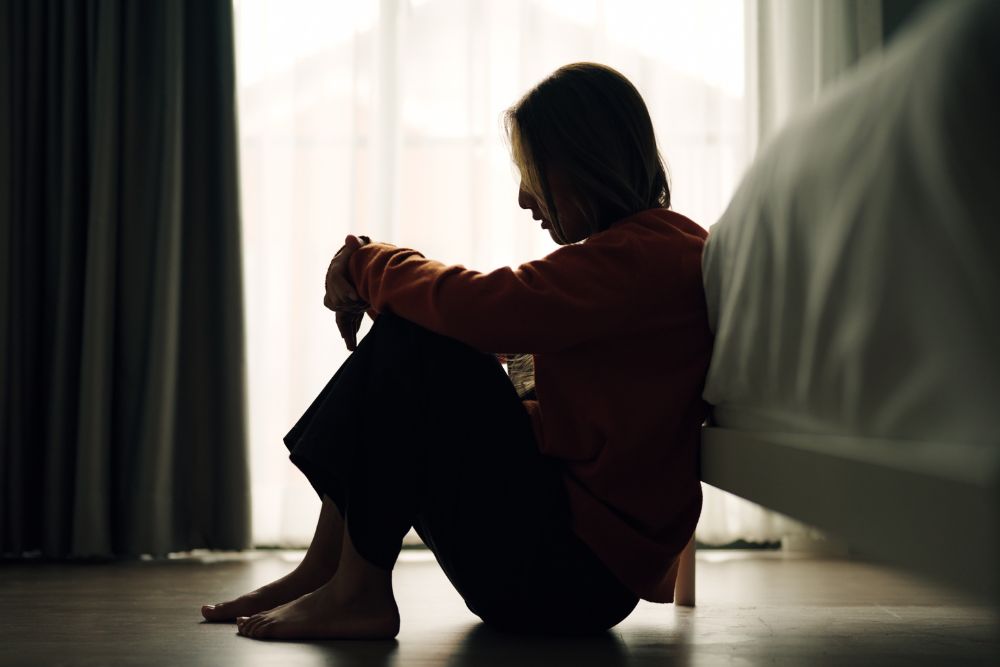
Why Emotions May Spike in Early Recovery
In an ideal world, we might expect to feel peaceful after deciding to seek help. But anticipating a little—or a lot—of emotional turmoil is more realistic, given how much havoc substances can wreak on our brains and emotional processing. That’s why, despite being the right choice, entering residential treatment with us at Waypoint Recovery Center can feel like walking into a storm. You might show up angry, overwhelmed, irritable, shut down, or sobbing for reasons you

Adding Recovery Coaching to Your Journey
Recovery coaching offers peer support to help you stay on track after treatment. Learn its benefits and how to become a coach.

Understanding the Importance of Self-Compassion in Recovery
Harsh self-talk probably won’t help you feel or get better. It often just makes the road to improvement harder. Self-compassion, on the other hand, isn’t about making excuses, ignoring your problems, or giving up on personal growth. And it’s not the same as self-indulgence. In fact, self-compassion is quite the opposite, and research shows it may even have the power to reduce burnout and improve motivation, which could be especially useful to you if you’re
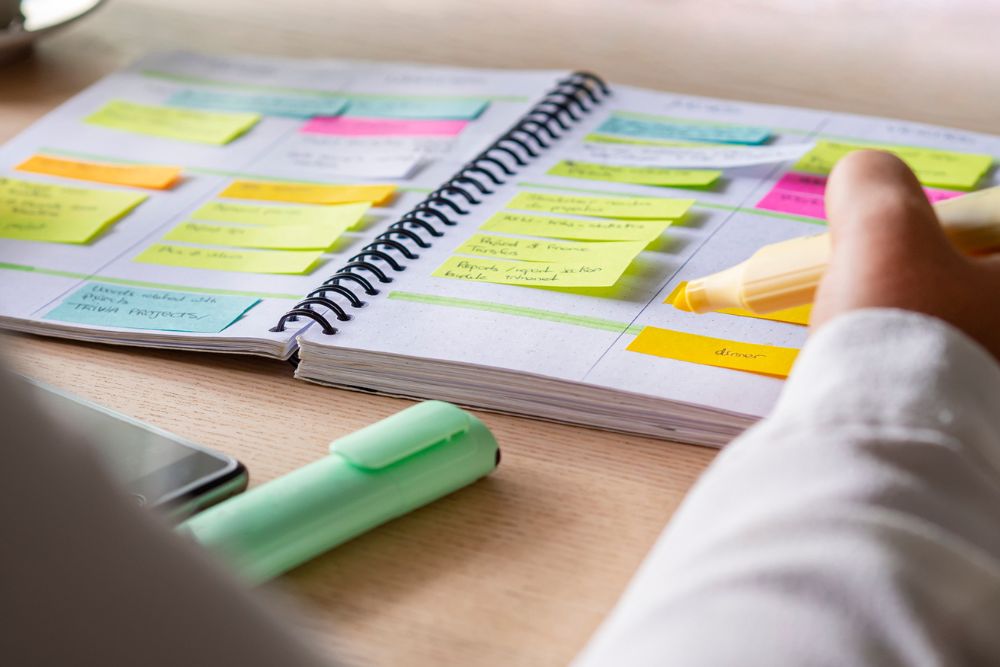
Building a Recovery Routine That Fits Your Lifestyle
A healthy routine is more than a checklist—it’s a series of habits that help you nourish your body, steady your emotions, and live in the present. When you’re fresh out of residential treatment, it can feel overwhelming to figure out how to structure your days. You know you want to stay on track, but how? Well, by making sure you do something each day that typically makes up a part of a healthy routine, like: