
Are There Free Forms of Addiction Therapy in Charleston, SC?
The average cost of drug rehab in the U.S. falls around $13,475 per person. Learn more about the costs and some free options.


The average cost of drug rehab in the U.S. falls around $13,475 per person. Learn more about the costs and some free options.
If you’ve been taking drugs that people can legally buy at a gas station, you might feel pretty good. Relaxed, less in your head—at least for a while. But when it wears off, you might feel irritable or restless, or even worried that this is becoming a habit. If you catch yourself thinking about the next dose soon after the first, you may even start to feel panicked. Now you keep hearing people talk about

Learn more about Psilocybin-Assisted Psychotherapy For substance use disorder – including what to expect and how its administered.
You might’ve heard about medications that help keep cravings under control for people who struggle with opioids or alcohol—but why isn’t anything sold over the counter or prescribed for stimulant use disorder (StUD)? Well, while it might seem confusing or, honestly, unfair, the truth is that there is no such medication yet. But the 3 million+ people with StUD deserve to be prioritized when it comes to supplementing recovery treatment with effective medicines. At Waypoint
Stimulant use disorder (StUD) can be serious and, sometimes, all-consuming. Learn more about StUD and available treatment options.
When you enter a medically-assisted detox program, you might feel like your brain and body are both throwing an epic, debilitating tantrum at the same time. If you’re a smoker or you consume nicotine in some form, those products might be the last thing that gets you through the day. Now imagine someone casually says, “Oh, and by the way, you should quit nicotine, too.” You might just see red. The good news? If nicotine is

It seems like anxiety wears us all down these days, and given that anxiety disorders are the number one mental health condition in the country, you’re probably no stranger to its symptoms: the constant worried thoughts, racing heart, and tension throughout the body. Untreated or unmanaged anxiety—especially when it shows up alongside other illnesses or traumas—can feel like it’s getting the best of you. When anxiety takes over for long periods, it’s easy to imagine

You might look at Katy Perry, Jamie Lee Curtis, Dax Shepard, or Kristin Davis and think that they have it all. Fame and talent can create a pretty picture from the outside, but each of these celebrities reached a point where substance use disorder (SUD) deeply impacted their mental health, relationships, or work in negative ways. When you look more closely at their stories, three main motivations tend to emerge: the need for emotional stability,

Movies can offer comfort and insight, and their themes or characters can even help spark meaningful therapy conversations.
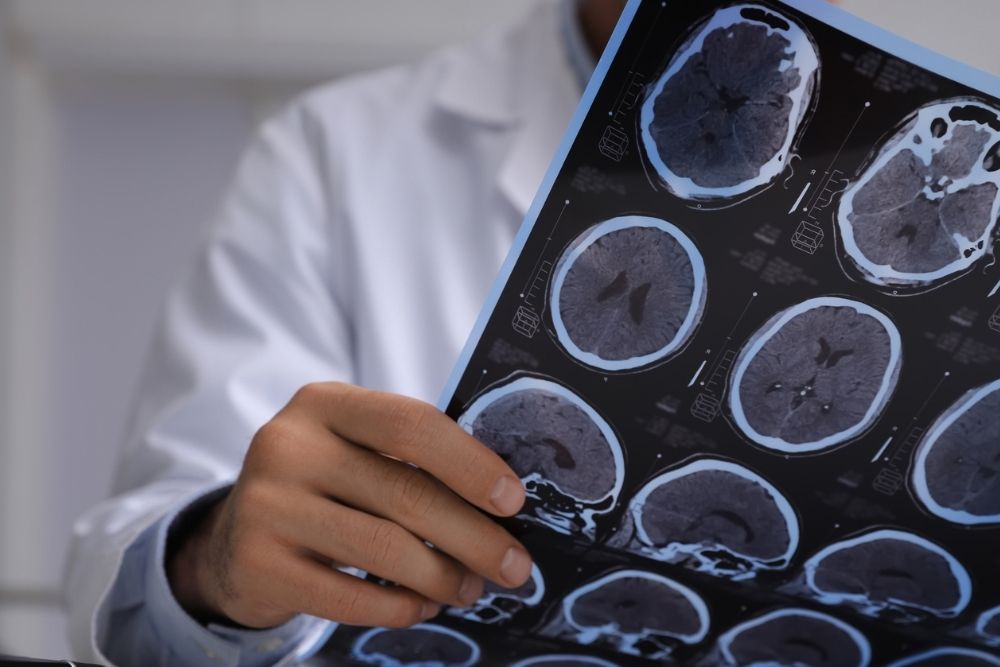
Substance use disorder (SUD) can show up in your habits, your reactions, and your roughest days, but your brain also carries a big part of your substance-use picture. If you’ve ever read our deep dive on the blacked-out brain and thought: yep, that sounds familiar, then you already know substances impact your brain’s ability to store memory. But neuroimages can show how substance use affects so much more of the brain than just memory. Neuroimages