

Healing Through Connection
Equine Therapy for Addiction Recovery & Mental Health
Equine-assisted therapy, commonly referred to as equine therapy, is an experiential therapy and holistic treatment approach for mental health and substance use disorders.
Equine therapy deviates from traditional talk therapy by incorporating interactions with horses as a way to help clients develop emotional awareness, improve communication skills, and support personal growth.
More Than Traditional Therapy
Working with horses offers a different way to build self-awareness, strengthen communication, and encourage personal growth.
Understanding Experiential Therapy
What Is Equine-Assisted Therapy?
Unlike traditional horseback riding activities, equine therapy is centered around therapeutic goals rather than riding skills. Under the guidance of licensed equine therapists, participants engage in a series of structured activities that unlock greater self-reflection, emotional processing, and skill development.
Since horses naturally respond to human behavior and emotions, they can provide immediate feedback that can help clients gain insight into their thoughts, feelings, and actions. With the assistance of a certified equine therapist, clients who may have struggled to see breakthroughs in traditional talk therapy have shown to be more engaged, proactive, and open during equine sessions.
Where Connection Meets Recovery
How Equine-Assisted Therapy Works
Grooming
Leading
Observing
Working Alongside Horses
Guided by certified professionals
All equine sessions are offsite and guided by a certified equine therapist. As trained therapists and certified professionals in the discipline, they will often initiate therapeutic discussions before, during, and after activities, helping clients explore emotional responses, identify patterns, and practice healthier coping strategies – oftentimes using activities as a catalyst for therapeutic conversation.
A Different Path to Progress
Who Benefits from Equine Therapy?
- Anxiety and depressive disorders
- Trauma, stress, and post-traumatic stress disorders
- Substance use disorders
- Mood and personality disorders
- Attachment, relationship, and self-esteem difficulties
A Guided Therapeutic Experience
What to Expect in an Equine Therapy Session
Phase I
Introduction & Overview
Most sessions begin with a short introduction to the horse, a reminder of any rules and considerations when interacting with the horses, and an overview of the activity and associated tools or equipment.
Before any interaction or activities, equine therapists often engage in a check-in with each client to see how they’re doing, how they responded to the last session, and discuss goals for the upcoming session.
Phase II
Activity & Engagement
Once the introduction is complete, clients are guided through exercises that align with their treatment goals and comfort levels. Most sessions focus on ground-based activities rather than riding, with riding being the exception in an equine session rather than the rule.
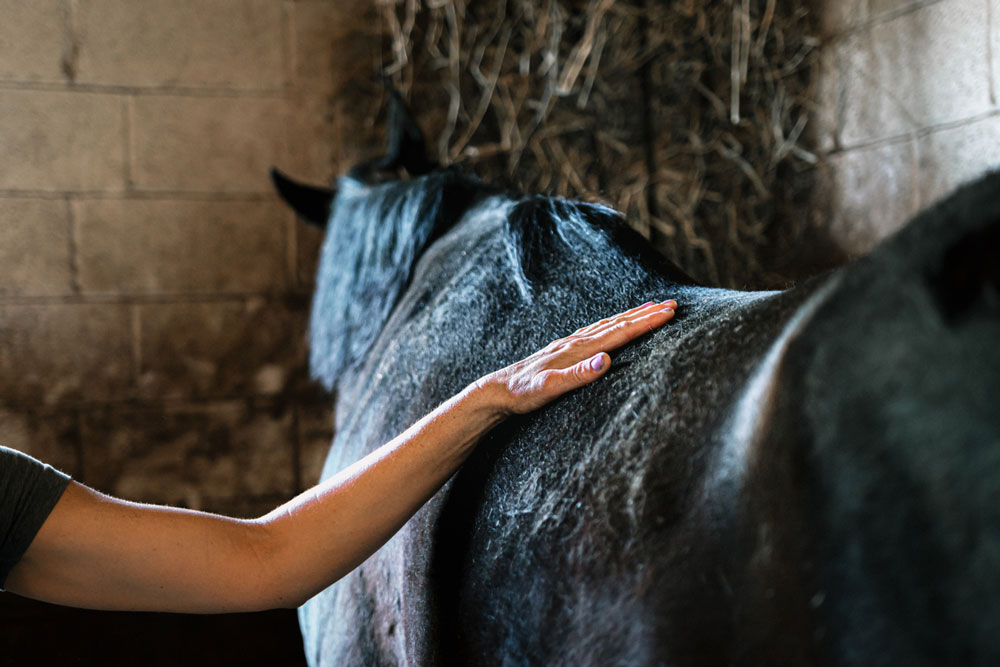
Clients may groom a horse, navigate an obstacle course with them, practice leading exercises, or engage in observation and reflection activities. Equine therapists assist in these activities by helping participants process their experiences and connect insights gained during the session to real-life situations.
Phase III
Processing & Observation
Experiential Care in Recovery
Equine-Assisted Therapy for Waypoint Clients
Waypoint Recovery Center’s equine therapy program involves working with horses to develop skills like trust, empathy, and communication. Equine therapy is an available treatment approach for clients in our residential treatment program. These services are offered offsite, and they are available through a unique partnership with “LEAP,” a local Equine-Assisted Psychotherapy (EAP) service in South Carolina.
Waypoints Holistic Approach to Treatment
Each equine session is delivered as part of a larger individualized treatment plan that is determined during the initial assessment process. Clients who are recommended for equine-assisted therapy will have sessions adapted to meet each their unique clinical needs and recovery goals. Generally, sessions are delivered twice per month and are part of a larger array of holistic treatment approaches.
Part of a Personalized Approach
Learn More About Residential Treatment
Equine-assisted therapy can be a valuable addition to residential addiction treatment, helping clients build confidence, strengthen emotional regulation skills, and support lasting recovery. When combined with evidence-based therapies and personalized clinical care, experiential treatment with horses can create meaningful opportunities for healing, growth, and positive change.
If you or a loved one is exploring residential treatment options, equine-assisted therapy and other holistic treatment services can support the journey toward improved mental health and long-term wellness.
Frequently Asked Questions: Equine-Assisted Therapy