Virtual Intensive Outpatient Treatment

Last Updated: August 19, 2026

Flexible, Structured Support

Intensive Care, Wherever You Are

Virtual intensive outpatient treatment (Virtual IOP) delivers the same structured, evidence-based level of care as in-person intensive outpatient programs but through secure, HIPAA-compliant video sessions.1

Virtual IOP is designed for people who need more support than weekly therapy but want (or need) the flexibility of receiving care from home.

A person sits at a table using a laptop for a video call with six people. A decorative bowl with pinecones is on the table.

Understanding Virtual IOP

What is Virtual Intensive Outpatient Treatment?

Virtual intensive outpatient treatment is a telehealth-based2 level of addiction and mental health care that offers the same clinical structure of a traditional, in-person IOP. It is delivered entirely through live video sessions led by licensed clinicians In-person and virtual groups often run concurrently with one another to maximize engagement and delivery of care.

Virtual IOP is not self-paced or app-based content. It is real-time, engaging, clinician-led treatment utilizing the same evidence-based therapies used in brick-and-mortar programs

Understanding Your Treatment Options

Comparing In-Person Vs. Virtual IOP Treatments

In-Person IOP Virtual IOP

Location

Client travels to a treatment facility
Client attends from home or a private space via video

Time Commitment

10–20+ hours weekly, 3–5 days

Therapy Modalities

CBT, DBT, group therapy, individual therapy, psychoeducation
Same modalities, delivered via live video

Accessibility

Limited by geography, transportation, and facility hours
Accessible from anywhere with a stable internet connection

Peer Interaction

In-room group therapy
Live video group therapy

Drug/Alcohol Testing

On-site testing
Coordinated remotely (e.g., local lab partnerships or at-home testing protocols, program-dependent)

Best Suited For

Clients who benefit from in-person structure or lack reliable home internet/privacy
Clients balancing work, caregiving, rural location, transportation barriers, or a preference for privacy

Building a Strong Foundation for Recovery

Outpatient Treatment in the Continuum of Care

Addiction and mental health treatment is generally organized into a continuum of care that comprises different levels of care that vary based on intensity, structure, and clinical monitoring. Virtual IOP occupies the same position in the continuum of care as in-person IOP with the distinction of being virtual as opposed to in-person.

Virtual IOP is most often used as a step-down level of care after residential treatment, PHP, or detox. It can also be recommended as a standalone option for people whose substance use or mental health symptoms are impacting their daily life but don’t require 24/7 supervision.

A person holding a smartphone is video calling someone who is smiling. The caller sits at a wooden table with papers and pens scattered nearby. Only the callers back is visible, while the friends face is on the screen.

Detox

The first stage for many with a physical dependence to alcohol or drugs. Medical detox focuses on safely managing withdrawal symptoms under clinical supervision.

Inpatient Hospitalization

A hospital environment designed for short term stays where clients receive acute stabilization services for mental health disorders.

Residential Treatment

A 24/7 structured environment where clients live on-site and receive intensive therapeutic and medical support.

(Virtual) Partial Hospitalization Program (PHP)

A highly structured step-down from residential. Often five days per week for six or more hours with more limited flexibility.

(Virtual) Intensive Outpatient Program (IOP)

A step down from PHP (or an entry point on its own), offering 3 - 5 days a week of treatment with flexibility to maintain daily life.

(Virtual) Traditional Outpatient

Weekly or biweekly individual therapy sessions, used either as a step down from IOP or as an initial level of care for milder concerns.

Recovery Support Services

Ongoing, lower-intensity support such as alumni programs, 12-step, peer-support groups, recovery coaching, and sober communities.

Matching Care to Your Needs

What is the “Right” Level of Outpatient Care

The right level of outpatient care depends on clinical severity, safety, home environment, and how a person has responded to prior levels of treatment. During evaluation, a licensed clinician typically makes a determination based on ASAM (American Society of Addiction Medicine) Criteria3, which weighs factors including:

Determining the Support You Need

Flexible Care, Different Settings

Understanding Online Outpatient Treatment Options

Virtual Partial Hospitalization Program (PHP) Virtual Intensive Outpatient Program (IOP) Virtual Outpatient Care

Level of Care

Highest level of virtual behavioral health; step-down from inpatient or residential care
Structured virtual treatment with more flexibility than PHP; step-down from PHP or step-up from outpatient care
Lowest level of virtual treatment; designed for ongoing support, maintenance, and long-term recovery

Living Situation

Remain at home or in a supportive living environment while participating in treatment online
Attend treatment remotely from home while maintaining daily routines
Live independently and attend scheduled telehealth appointments

Time Commitment

Approximately 20-30+ hours per week across 5 days
Approximately 10-20+ hours per week across 3-5 days
Typically 1-2 hours per week, depending on treatment needs

Daily Duration

Approximately 6-8 hours of virtual programming per day
Approximately 3-4 hours of virtual treatment per day
Usually one 50-60 minute virtual session

Primary Focus

Intensive online therapy, psychiatric support, stabilization, and skill development
Virtual group therapy, individual counseling, relapse prevention, and recovery skill-building
Individual therapy, psychiatric follow-up, symptom management, and long-term recovery support

Clinical Monitoring

High level of support with frequent access to therapists, case managers, and psychiatric providers
Moderate-to-high clinical support with regular therapist contact and treatment monitoring
Periodic clinical support through scheduled therapy or medication-management appointments

Best Suited For

Individuals needing intensive treatment and structure while remaining in their home environment
Individuals who need structured support and accountability but can safely manage daily responsibilities
Individuals with mild-to-moderate symptoms, maintenance needs, or those stepping down from higher levels of care

Daily Responsibilities

Limited ability to maintain full work, school, or family commitments because of treatment hours
Often able to balance treatment with work, school, and family responsibilities
Fully maintained alongside treatment with minimal disruption to everyday life

Key Benefits

Intensive care from home, reduced travel, enhanced structure, and access to comprehensive clinical support
Flexible scheduling, strong therapeutic support, and the ability to practice recovery skills in real-world settings
Convenient access to therapy, ongoing accountability, and continued support for long-term wellness

Is Virtual IOP Right for You?

Qualifications for a Virtual Intensive Outpatient Program

Whether virtual IOP is the appropriate format of virtual outpatient care often comes down to a person’s home environment, personal safety profile, and the ability to engage meaningfully in treatment through a screen.

Virtual IOP May Be a Good Fit If You:

Working professionals, caregivers, students, and those in rural or underserved areas4 without nearby treatment options often qualify well for virtual IOP, since the format removes commute time and geographic barriers while still delivering the same clinical structure.

In-Person IOP May Be a Better Fit If You:

As with any level-of-care decision, this determination is made through a clinical assessment rather than personal preference, ensuring the chosen format actually supports a person’s safety and progress in treatment and does not hinder or harm treatment efforts.

Compassionate Help Is Just a Phone Call Away.

Support That Fits Your Life

Benefits of Intensive Outpatient Programs

A woman sits at a desk, looking at a laptop screen displaying a video call with nine people, each in their own video window, participating in a virtual meeting.

Advantages of Virtual IOP

Support That Fits Your Life

How Long Is Virtual IOP?

Virtual IOP is individualized and based on clinical progress rather than a fixed timeline. Many clients participate for several weeks to a few months, with the treatment team regularly reassessing whether to continue care at the current level, advocate for in-person attendance, step down to traditional outpatient or telehealth therapy, or step up to a higher level of care.

What to Expect During IOP Treatment

Phase 1:

Admissions &
Assessment

Assessment and Admission

Before starting virtual IOP, prospective clients go through an intake process designed to determine whether outpatient services are appropriate. Those who may be candidates for a virtual IOP program are flagged at this stage for review by the larger clinical team. Many programs use the ASAM (American Society of Addiction Medicine) Criteria to help match a person to the right level of care based on clinical need.

Clinical Evaluation

A licensed clinician will conduct a more in-depth clinical and biopsychosocial evaluation if initial assessments determine a client qualifies. This additional layer specifically examines:

  • Substance use and mental health history
  • Prior treatment episodes
  • Full medical history
  • The client’s current living situation / family support structures
  • Any immediate safety concerns

During this stage, considerations for virtual outpatient treatment are evaluated. Additional assessments or questions may be asked to ensure that it would be a good fit. If so, clients are walked through specific processes and instructions on accessing virtual IOP programming.

Individualized Treatment Planning

Based on prior evaluations, the clinical team will begin building an individualized treatment plan that outlines specific goals, therapies, and services that will be used in virtual treatment. An initial anticipated length of treatment is also determined.

Phase 2:

Treatment &
Evaluation

Ongoing Throughout Treatment

Weekly Programming Schedules

A typical week in IOP blends group therapy, individual counseling, psychoeducational sessions, holistic therapies and recovery / skill building programming together. In many cases, in-person and virtual sessions are run consecutively rather than as separate sessions or programs.

Where applicable, psychiatric or medication management appointments, including medication assisted treatment (MAT) management, will also be scheduled. Depending on the specific psychiatric considerations, appointments may be coordinated as in-person.

Drug and Alcohol Testing

Routine drug and alcohol testing is a standard part of most outpatient treatment - including for virtual outpatient clients. A frequent testing cadence helps the treatment team monitor patient progress, identify early warning signs of relapses, and adjust plans when needed. All testing is typically coordinated with the outpatient office prior to starting the program.

Progress Monitoring

Throughout virtual treatment, each client’s treatment team will track clinical progress against the goals outlined in the treatment plan. Clinical teams will meet with clients to review:

  • Symptom checklists
  • Therapist observations
  • Attendance and engagement
  • Feedback from psychiatric providers if medication is part of the plan

Regular progress reviews help determine whether clients should continue at the current level of care, step down, or, in some cases, step up to more intensive support.

Phase 3:

Discharge &
Aftercare

Discharge Planning

Discharge planning begins well before a client's final days or weeks in the virtual program. Plans are developed as treatment progresses, helping to set a clear plan in place for continuing care after IOP. Discharge planning in virtual intensive outpatient programs often include:

  • Support in transitioning to traditional outpatient therapy programs
  • Reviewing and refining individualized discharge plans with clients
  • Providing resources on local recovery communities
  • Coordinating continuity of psychiatric care

Recovery Continues Beyond Treatment

What Happens After Outpatient Treatment

Following successful completion of an intensive outpatient program, most clients will transition to some form of continuing care or ongoing recovery support group. Generally, established support structures and networks built around and by the IOP facility help drive further support beyond intensive outpatient treatment. Examples include:

Traditional Outpatient Therapy

Offers with weekly or biweekly therapy sessions delivered either in-person or virtually.

Alumni Programs

Ongoing connection to a treatment community through shared social media engagement, in-person events, check-ins, and peer groups are commonly available for virtual graduates if they choose to take advantage of them.

Recovery support groups

12-step programs, SMART Recovery, or other peer-support communities are available for utilization. Many groups also host online meetings.

Continued psychiatric care:

Many clients on medication management or medication-assisted treatment (MAT) require ongoing coordination with a prescribing provider. These services are arranged.

Comprehensive Care. Personalized Recovery

Virtual Intensive Outpatient Treatment at Waypoint

Waypoint Recovery Center’s Virtual Intensive Outpatient Program delivers the same licensed, evidence-based clinical care as the in-person program. Treatment is structured around each client’s individual needs and goals and is delivered through secure, private telehealth sessions.

Every client begins their journey with a comprehensive initial assessment. From there, our multidisciplinary clinical team of physicians, nurses, licensed therapists, case managers, and discharge coordinators work together to build individualized care plans that adapt and grow as clients progress through the outpatient program. Waypoint’s virtual outpatient program currently treats:

Waypoint's Outpatient Programs

Alcohol Use Disorder Treatment

Virtual IOP supports clients working through alcohol use disorder, including those stepping down from residential treatment, PHP, or detox. Treatment focuses on relapse prevention, identifying triggers common in home and social environments, and building sustainable coping strategies delivered through virtual group and individual sessions.

Substance Use Disorder

Substance use disorders vary across multiple illicit and prescription drugs categories. Unlike treatment for alcohol dependence, IOP treatments for drug addiction can vary based on the substance, specific treatment plans, and considerations around social and environmental factors that may place individuals at a higher rate of relapse.

Mental Health Disorders

Because substance use and mental health conditions frequently co-occur, Waypoint’s virtual IOP addresses mental health needs through integrated therapy and coordinated clinical support. Co-occurring disorders are treated together rather than in isolation.
A woman sits at a desk, participating in a video call with nine people displayed on her computer monitor, gesturing with her hand and holding a pen.

Healing Through Proven Therapies

Specialized Therapeutic Offerings in Virtual IOP

Similar to in-person therapeutic offerings, individual and group programming offered at Waypoint is available for Virtual IOP clients.

Individual Therapies

Cognitive Behavioral Therapy (CBT): Helps identify and change thought patterns that contribute to substance use, negative mental health cycles, and unhealthy coping strategies. CBT is commonly used to address triggers, cravings, and distorted thinking patterns.

Dialectical Behavior Therapy (DBT): Combines cognitive behavioral techniques with mindfulness and distress-tolerance skills. It’s particularly useful for clients who struggle with emotional regulation, impulsivity, or co-occurring conditions.

Motivational Interviewing (MI): A collaborative, client-centered care approach that helps explore and resolve ambivalence about making a change. This is especially useful for many individuals in the early stages of recovery when motivation to engage fluctuates.

Group Therapies

Process Groups: Small cohorts of several clients meet together with a therapist to help individuals learn more about themselves and the ways in which they interact with others. The group setting allows for the development of mutual support and understanding.

Education Groups: Educational groups are less focused on interpersonal relationships building and more focused on learning. A trained therapist often shares information and ideas that can help the group develop good coping skills and the ability to set, pursue, and meet goals.

Skills-Building Groups: In a skill-building group, members learn and practice skills that will serve them well in their day-to-day lives and help them lessen the likelihood of a relapse. Being able to skillfully manage the stresses of everyday life is an essential part of successfully maintaining sobriety over the long term.

Relapse Prevention Therapy: This structured approach is woven throughout individual and group sessions while also being offered as standalone group and individual sessions. Waypoint integrates this approach as a standard to ensure a strong foundational development. Clients typically work with their treatment team to:

Measuring Success

How Effective is Treatment at Waypoint?

Treatment outcomes and effectiveness vary by person and are influenced by several factors, including diagnosis, treatment engagement, and continuity of care after program completion. Through a unique partnership with Trac9 Informatics – a leader in clinical evaluation and assessments – Waypoint is able to track how clients benefit from our treatment services. Trac9 data collected in a recent survey of clients found strong reductions in key benchmarks:
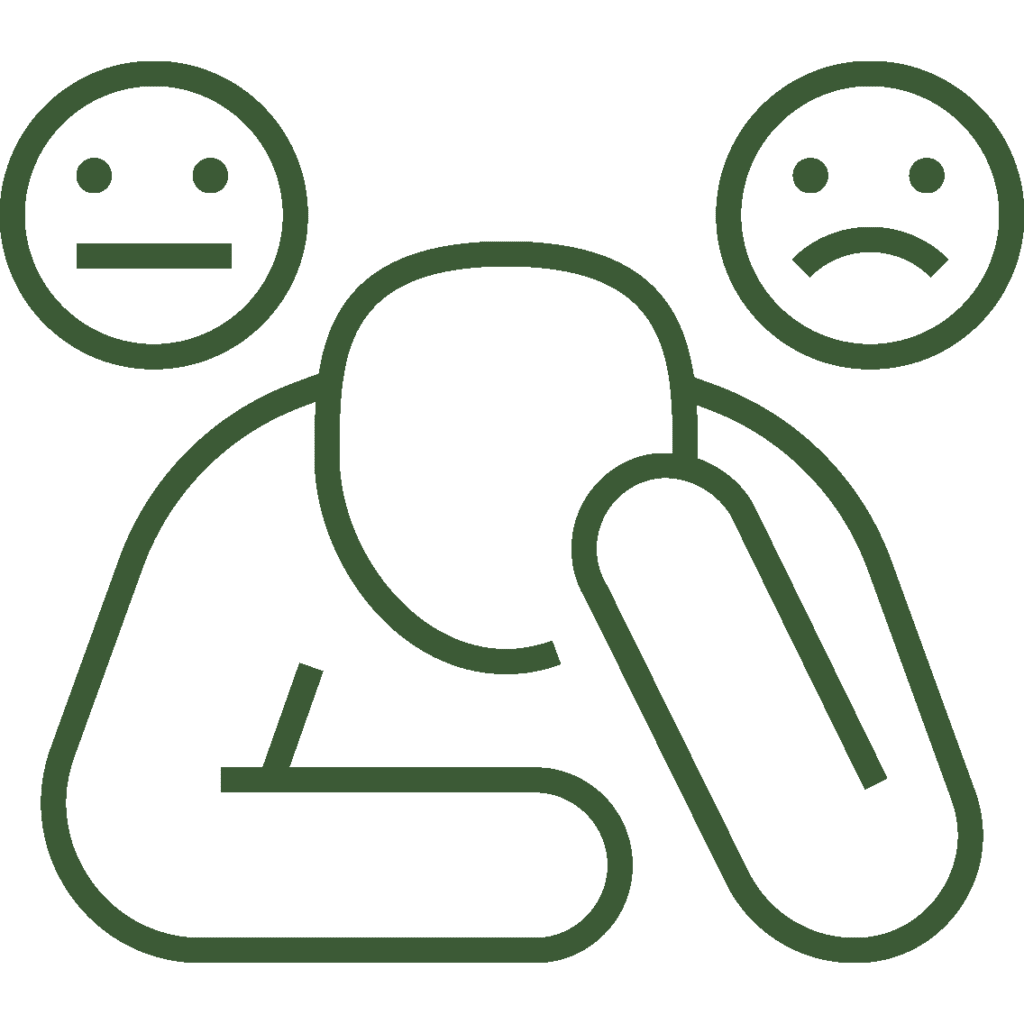
Outline of a person with head in hand, looking distressed. Two faces float above: one neutral, one sad, representing emotions or mental health.

56%

Average reduction in depression symptoms within the first four weeks of treatment

A simple line drawing of a person holding their hand up to their mouth, with lines near their head suggesting coughing or sneezing.

42%

Reduction in anxiety symptoms during treatment
A simple line drawing of a person holding their head with both hands and three zigzag lines above, symbolizing stress or a headache.

46%

Reduction in symptoms for clients experiencing trauma-related symptoms

Coverage & Costs

Costs and Insurance

Several factors affect the cost of residential treatment, including length of stay, level of care, and specific services provided, such as detox and specialized therapies.

Waypoint’s admissions team verifies insurance benefits at the time of inquiry, taking time to explain client coverage before treatment begins. All insurance verifications and discussions are part of a free, confidential, no pressure, no obligation process. Since each insurance plan is unique, filling out a form is a great first step to understanding options with insurance coverage.

We work with most insurance carriers.

At Waypoint Recovery Center, we are in-network with Blue Cross Blue Shield, United Behavioral Health, Beacon Health Options, Cigna, Aetna, Optum, and VA Community Care.

If your insurance isn’t listed, we may still be able to work with that policy.

Optum logo with orange geometric design. Text reads OPTUM Commercial & Veteran Care in gray letters on a light background.
BlueCross BlueShield logo with a blue cross and a blue shield featuring a serpent staff, next to the words BlueCross BlueShield in black text.
Logo with blue VA and Community Care in red and blue text on a light gray background.
Cigna logo with a blue human figure forming a tree trunk, green leaves above, and Cigna written in blue text to the right.
A purple heart shape followed by the word aetna in lowercase purple letters, with a trademark symbol, on a light gray background.
Beacon Health Options logo with a blue lighthouse icon on the left and the words beacon health options in dark and light gray on the right.
United Behavioral Health logo with the words United Behavioral Health and a curved black line arching above Behavioral Health..

Dedicated to Your Recovery

Why Choose Waypoint for Virtual Intensive Outpatient Treatment

Waypoint’s virtual IOP is built to deliver the same clinical rigor as in-person treatment without requiring clients to put work, caregiving, or daily responsibilities on hold. For clients balancing geographic distance, transportation barriers, scheduling constraints, or a preference for privacy, virtual IOP offers a clinically structured path to treatment that fits into real life rather than requiring life to pause around it.

Frequently Asked Questions: Intensive Outpatient

Questions? We're Here to Help

What is virtual intensive outpatient treatment?
Virtual IOP is a telehealth-based level of addiction and mental health care that delivers structured group therapy, individual therapy, and psychoeducation through live video sessions.

Overall effectiveness of virtual IOP depends on individual factors such as diagnosis, engagement, and home environment stability rather than delivery format alone.

Most virtual IOP programs meet 3 to 5 days per week, for approximately 3 to 4 hours per session.

Requirements include consistent and reliable access to a private space, a working device with a camera and microphone, and a stable internet connection.

Yes. Virtual iop sessions are conducted through secure, HIPAA-compliant telehealth platforms designed to protect client confidentiality.

Many virtual IOP programs coordinate psychiatric care and medication management, including medication-assisted treatment (MAT), through telehealth appointments.

Virtual IOP is specifically designed to allow clients to maintain work, school, or caregiving responsibilities around scheduled sessions.

Many insurance plans cover virtual IOP at parity with in-person outpatient treatment, though coverage details vary by plan and should be verified directly.

Virtual PHP involves more hours per day and higher clinical monitoring, while virtual IOP offers a lower time commitment with moderate clinical oversight.

Virtual IOP is commonly used as a step-down level of care following residential treatment, PHP, or medical detox, particularly when geographic distance makes in-person outpatient care impractical.

A clinical assessment determines whether virtual IOP is an appropriate level of care.

Live video group therapy retains the core structure of in-person groups and is a standard, clinically supported component of virtual IOP.

The treatment team can recommend stepping up to in-person iop, virtual or in-person PHP, residential treatment, or detox if clinical needs escalate.

Most clients transition to continuing care, such as telehealth outpatient therapy, alumni programming, or virtual recovery support groups.

Ready to get started?

Take the Next Step in Your Recovery

Our admissions team is here to help you determine if intensive outpatient treatment is the right fit for you or your loved one.